
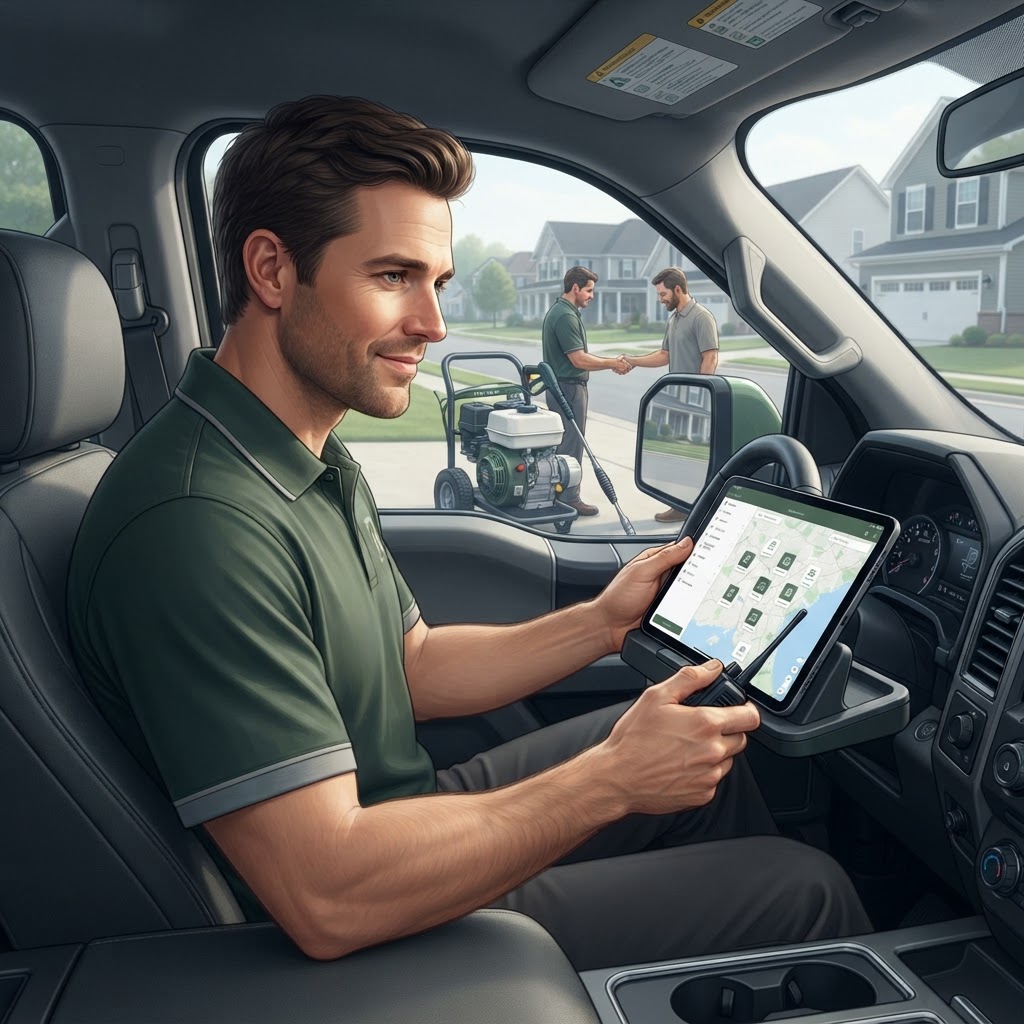
Managing Chaos in the Field
If you run a home service business—whether it is pressure washing, mobile detailing, Trash bin sanitation, HVAC, electrical, or landscaping—you know the unique challenges of the industry. You aren't just managing office tasks; you are juggling field technicians, complex scheduling, customer expectations, and invoicing all at once. When you rely on spreadsheets or a notebook to manage these moving parts, growth becomes difficult.
This is where a Customer Relationship Management (CRM) system becomes your most important asset. It centralizes your business, ensures no lead falls through the cracks, and helps you deliver a professional experience that keeps customers coming back. But with so many options on the market, finding the best CRM for home service businesses can feel overwhelming.
What Makes a CRM 'Best' for Home Services?
General-purpose CRMs often fall short for service-based companies. They might be great for sales teams, but they lack the operational tools required for field work. To be effective, a platform needs to handle specific field-service workflows.
1. Seamless Dispatching and Scheduling
Your CRM needs to act as a command center. You should be able to view technician availability in real-time, drag and drop appointments, and instantly notify the right person for the job. If your CRM doesn't communicate directly with your team in the field, you are adding unnecessary administrative work.
2. Automated Communication
Modern customers expect real-time updates. The best tools will automatically send appointment reminders, "on my way" text messages, and follow-up emails after the job is done. Automation isn't just a convenience; it significantly reduces no-show rates and improves customer satisfaction scores.
3. Integrated Billing and Invoicing
Stop chasing payments. A top-tier CRM for home services integrates payment processing directly into the workflow. Technicians should be able to generate invoices or take payments on-site the moment the work is completed, which drastically improves your cash flow.
Common Pitfalls to Avoid
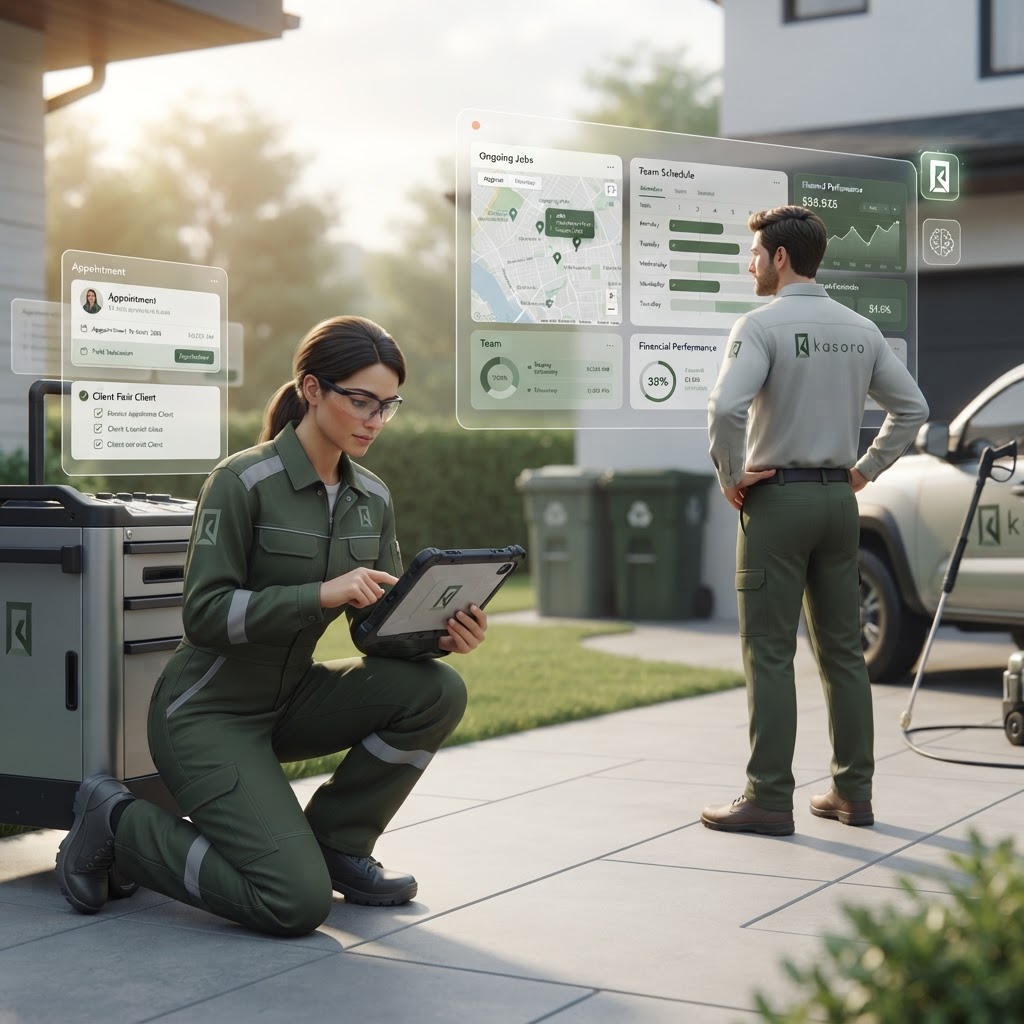
Many business owners fall into the trap of purchasing software that is "too much." You do not need an enterprise-grade solution that requires a dedicated IT team to configure. Often, these complex systems end up being underutilized because they are too difficult for field technicians to learn.
Look for usability. If your technicians cannot easily update job statuses or upload photos of their work on their phones, they won't use it. Ease of use is just as important as the feature set. If the software complicates your team's day instead of simplifying it, it is not the right choice for your business.
The Role of AI in Field Service Management
Technology is evolving, and manual data entry is becoming obsolete. The newest generation of field service tools leverages Artificial Intelligence to act as a virtual office manager. These systems can answer customer inquiries, qualify leads, and update CRM records without you having to lift a finger.
By leveraging AI, you can ensure that you are responding to service requests instantly, even after hours. This is a game-changer for conversion rates because modern customers rarely wait for a callback if they can get a quick response elsewhere.
Taking the Next Step With Your Business
Selecting the right software is a critical investment in your company's efficiency and longevity. The best CRM for home service businesses should be one that grows with you, scaling as your team expands while keeping your customer data organized and accessible.
Are you ready to stop drowning in scheduling conflicts and missed opportunities? Kasora acts as an intelligent, automated office manager designed specifically for home service businesses, helping you handle customer communication and appointment booking with ease. See how Kasora can transform your daily operations by trying our platform today.
Final Thoughts on Implementation
Once you decide on a platform, remember that the software is only as good as the process behind it. Before you migrate your data, clean it up. Standardize your job types, build templates for your estimates, and ensure your team is trained on the new system before go-live.
Finding the right CRM isn't just about buying a tool—it's about building a foundation for sustainable, efficient growth. By focusing on dispatching, automation, and ease of use, you will set your business up for long-term success.